

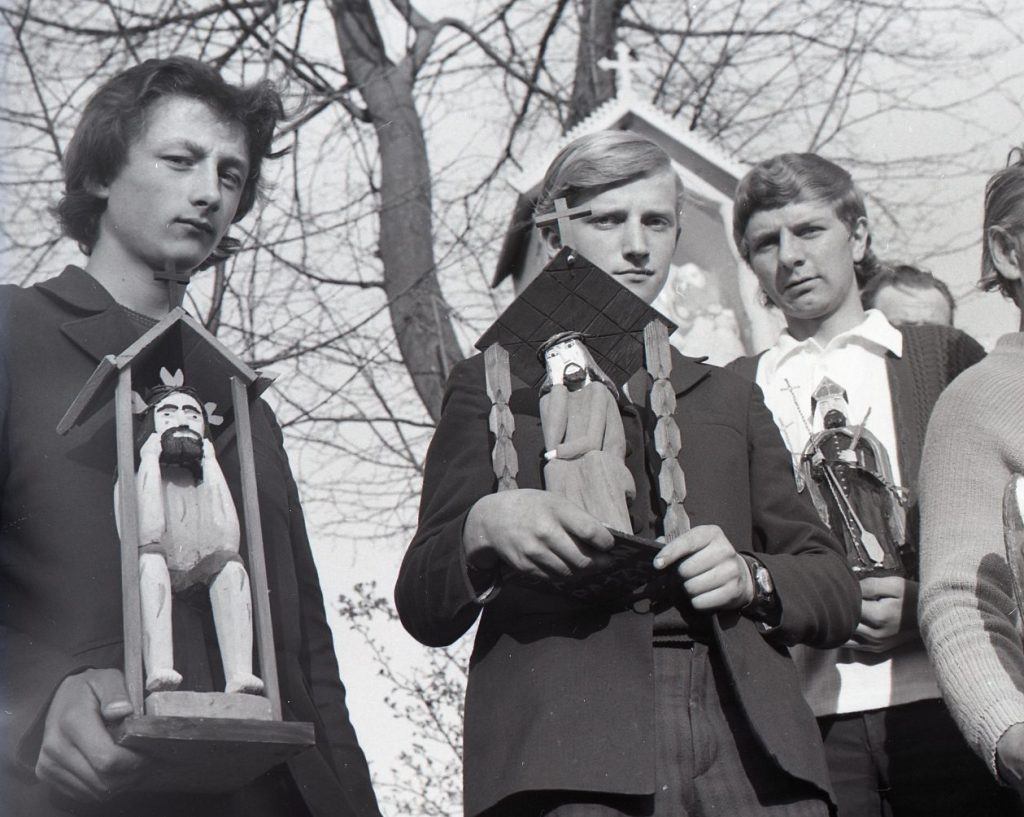
Nestled among the rolling hills of southern Poland, just a few kilometers from the historic city of Nowy Sącz, lies the small village of Paszyn. Although modest in size, Paszyn has become one of the most remarkable places associated with Polish folk art. For decades, it has inspired painters, woodcarvers, and craftsmen who continue to preserve the country’s rich artistic traditions.
A Tradition Carved in Wood
Wood has always been an essential part of life in rural Poland. For centuries, local craftsmen created everything from household tools and furniture to roadside shrines, religious sculptures, and decorative ornaments. Every carving reflected not only technical skill but also the history, beliefs, and daily life of the community.
In Paszyn, this tradition remains alive. The surrounding forests provided generations of artisans with linden, oak, and other native woods, allowing folk carving to flourish. Many local artists continue to work by hand, using traditional chisels and techniques that have changed little over the centuries.
Each sculpture carries its own personality. Rather than striving for perfect realism, Polish folk carving celebrates expression, simplicity, warmth, and storytelling. Every tool mark reminds us that the piece was shaped by human hands.
The Artistic Spirit of Paszyn
Paszyn is internationally known for the Paszyn Gallery, an extraordinary collection of folk paintings created by self-taught local artists. Founded in the 1970s by Father Edward Nitka, the gallery became a symbol of creativity, proving that artistic talent can flourish anywhere when given encouragement.
This artistic atmosphere has naturally influenced other forms of craftsmanship, including woodcarving. Today, Paszyn continues to inspire artists who combine traditional folk aesthetics with their own unique style, creating sculptures that are both timeless and contemporary.
Folk Sculpture as Storytelling
Unlike factory-made decorations, traditional folk sculptures tell stories. They depict saints, angels, shepherds, village life, woodland creatures, and scenes inspired by local legends. Many works also capture humor and imagination through whimsical characters that reflect the rich folklore of the Polish countryside.
Every piece is unique. Differences in wood grain, carving techniques, and hand-painted finishes ensure that no two sculptures are ever exactly alike.
Handmade with Respect for Tradition
Creating a folk sculpture is a slow and thoughtful process. It begins with selecting the right piece of wood, followed by careful carving using traditional hand tools. After shaping, the sculpture is sanded only where necessary, preserving the character of the chisel marks. Finally, it is painted or finished with natural oils or waxes that enhance the beauty of the wood while protecting it for generations.
This dedication to craftsmanship is what makes authentic folk sculptures so valuable. They are not simply decorative objects—they are pieces of cultural heritage.
Why Paszyn Matters
In a world increasingly dominated by mass production, villages like Paszyn remind us of the importance of handmade art. Here, creativity is passed from one generation to the next, preserving skills that have defined Polish folk culture for centuries.
For collectors, visitors, and anyone who appreciates authentic craftsmanship, Paszyn offers more than beautiful scenery. It represents a living tradition where art, history, and community come together.
Whether you are looking for an original hand-carved sculpture or simply wish to learn more about Polish folk art, Paszyn is a place where the spirit of traditional craftsmanship continues to thrive.
